Photos
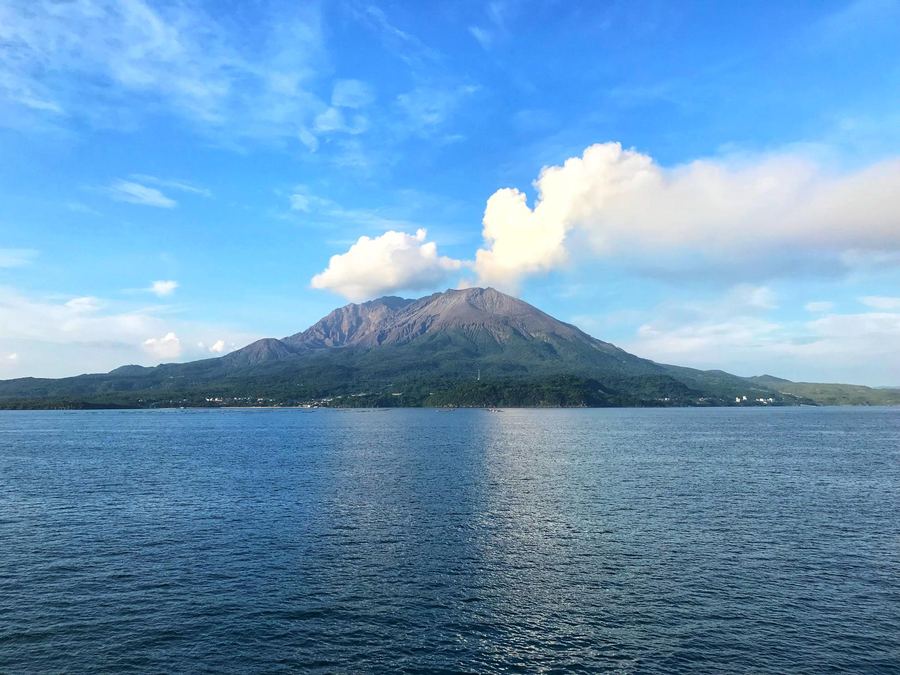
Sakurajima: ash and abundance
Some things come through better in a photo than in words.
Everyday life
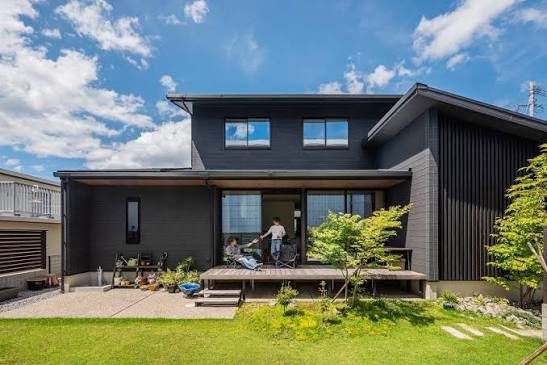
Homes in and around Kagoshima City often feature deep eaves, double mesh screens on windows to keep ash out, and outdoor taps on verandas for hosing ash away — these are not part of any national building code, but a local design tradition that Kagoshima Prefecture has spent decades refining and even subsidizing, built from generations of living with Sakurajima's ashfall. The city even has a dedicated "ash bag" system: residents bag up swept ash and leave it at designated collection points for the city to pick up.
Guinness record no. 1
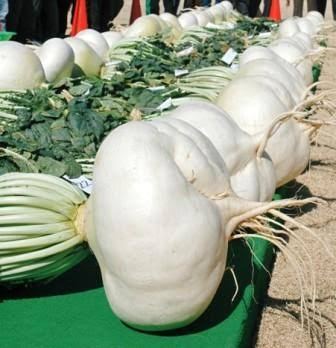
Grown in Sakurajima's well-drained volcanic-ash soil, the Sakurajima daikon commonly reaches 40–50cm in diameter — more than ten times the weight of an ordinary daikon. In 1994, a specimen weighing 31.1kg grown for Kagoshima City's "World's Biggest Sakurajima Daikon Contest" was certified as a Guinness World Record. That contest still runs every year, with local farmers competing to grow ever more outsized roots.
Guinness record no. 2
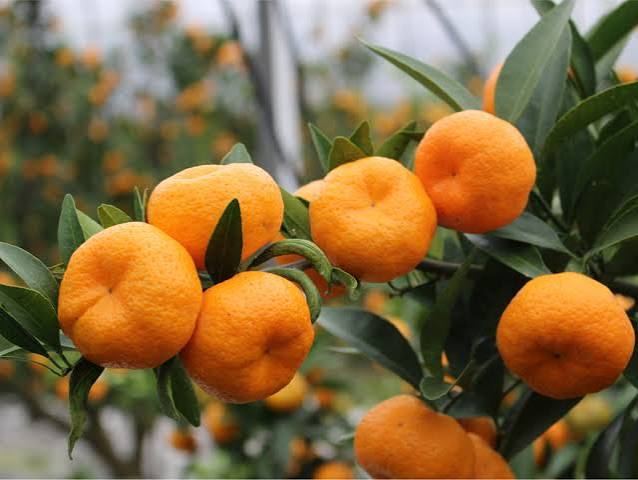
The same fields also grow the Sakurajima komikan, a tiny citrus only 3–4cm across — noticeably smaller than an ordinary satsuma mandarin. In 2012 it was certified by Guinness World Records as the "world's smallest mandarin orange." It's fairly unusual for a single island to hold both the "world's biggest vegetable" and "world's smallest fruit" Guinness titles. Despite its size, its thin skin and strong sweetness make it a beloved New Year's decoration locally.
Photos
Some things come through better in a photo than in words.
Next up
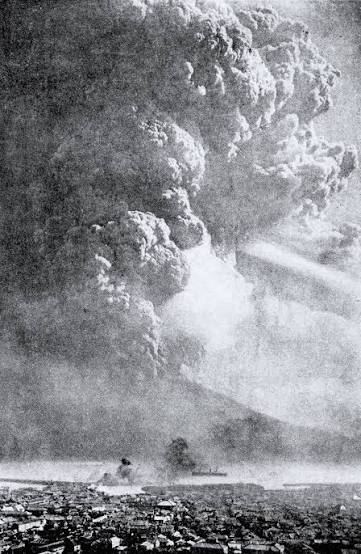
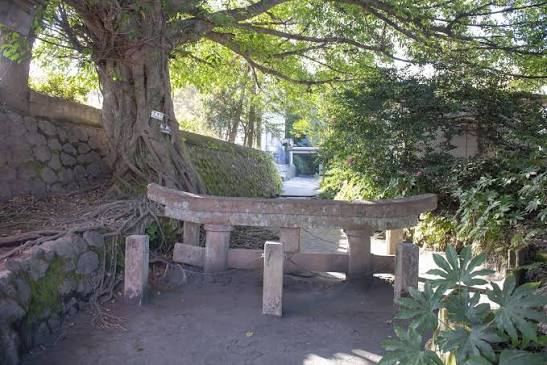
Sakurajima was, true to its name ("cherry blossom island"), once an actual island. It became connected to the Osumi Peninsula by lava flows during the great Taisho eruption of 1914. That eruption buried an entire settlement in the Kuroga district — home to the "buried torii" gate you'll see mentioned later. Let's zoom out from Sakurajima's own eruptive history to a far larger geological scale.
Read about the Kikai Caldera →