Photos
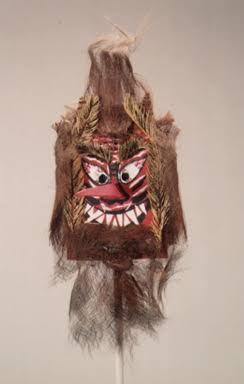
The mask of Toshidon
An otherworldly visiting deity with a long nose and a straw costume.
What the festival looks like
On New Year's Eve, in each settlement across Koshikijima, a figure called Toshidon — wearing a wooden mask with a red face, a long nose, and a mouth split wide open, and dressed in a straw costume — visits houses on horseback (traditionally, a person plays the part of the horse) or on foot. Having climbed into the house, Toshidon has already been briefed by the parents on the child's behavior over the past year, and startlingly pinpoints specific events — "I hear you didn't listen," "Did you study?" — to counsel the child directly.
Not a few children end up in tears from the fright, but in the end Toshidon straps a large round rice cake called a "toshidama" onto the child's back and departs with the words, "Be a good child again next year." This toshidama is said to be one origin of the modern custom of otoshidama (New Year's gift money). Pairing fear with a blessing is one of the defining features of Toshidon as a visiting deity.
Cultural recognition
"Toshidon of Koshikijima" was designated a nationally Important Intangible Folk Cultural Property in 1977, and in 2018, like Boze mentioned earlier, it was inscribed on UNESCO's Intangible Cultural Heritage list as "Raiho-shin, ritual visits of deities in masks and costumes." The belief in a "visiting deity" — a strange-looking god who visits the human world once a year to admonish or bless people before departing — is found scattered across remote islands and mountain communities throughout Japan, and Toshidon of Koshikijima is counted as one of its most representative examples.
But this tradition is far from secure. As Koshikijima faces depopulation and an aging, shrinking population, some settlements are finding it harder to keep the tradition alive as fewer young people are available to play Toshidon and fewer children remain to receive the visit. UNESCO recognition has, in a sense, both affirmed the international value of this tradition and thrown into sharp relief just how precarious its continuation now is.
Next up
Kagoshima's remote islands are home not only to rituals like these, but also to sites tied to tragedies that trace all the way back to the Tale of the Heike. We introduce the story of "Shunkan," associated with Iwo-jima, part of the outer rim of the Kikai Caldera.
Read about Shunkan & Kikaigashima →Photos
An otherworldly visiting deity with a long nose and a straw costume.